Pioneering partnership between Cemvision and Tata Steel to accelerate next-generation slag valorisation
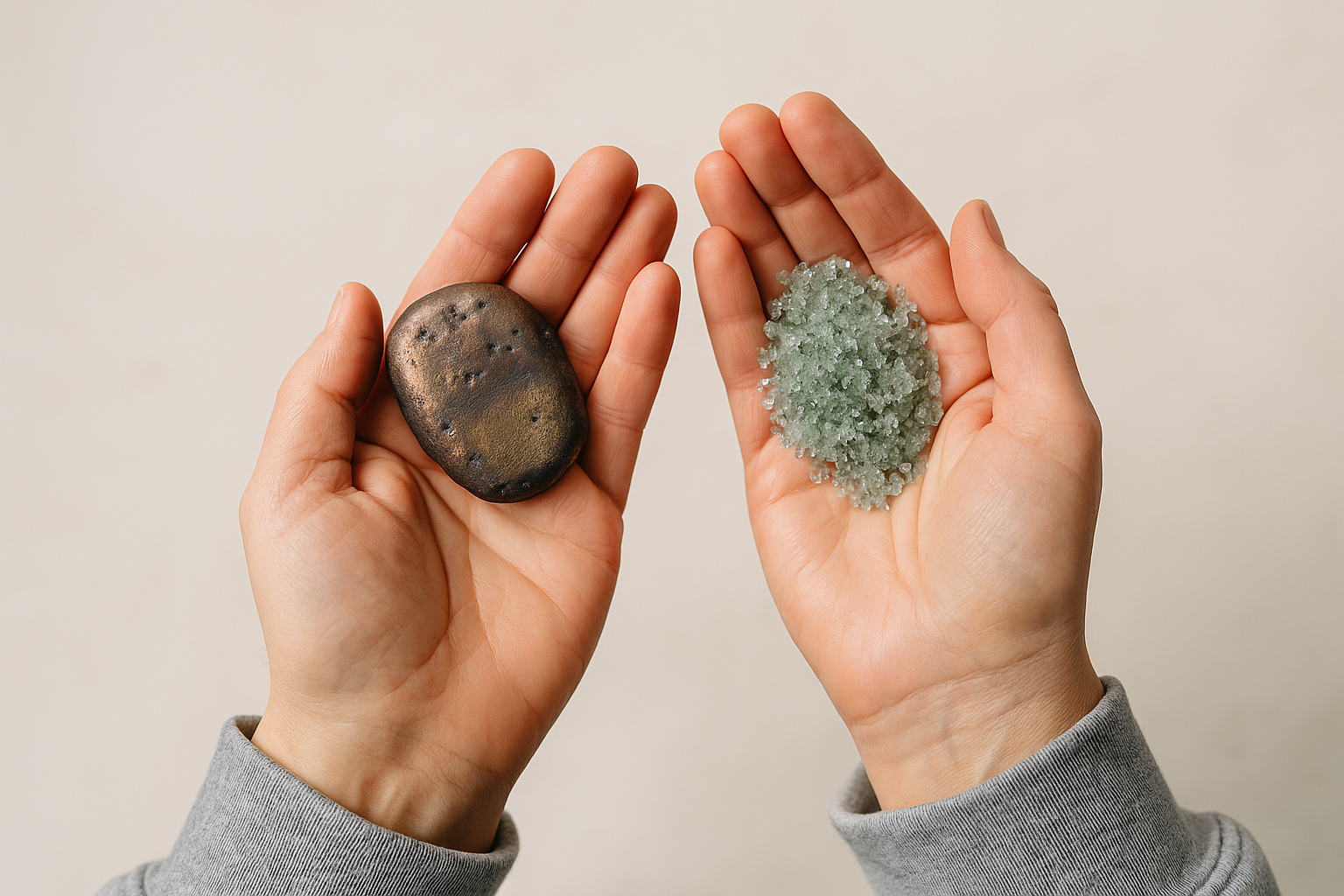
Cemvision has been awarded a grant from the Swedish Energy Agency (Energimyndigheten) to conduct a joint feasibility study with Tata Steel, exploring the potential to convert Basic Oxygen Furnace (BOF) and Electric Arc Furnace (EAF) slags into high-value feedstock for near-zero-carbon cement, while also recovering valuable metals.
The cement and steel industries together account for more than 15 percent of global CO₂ emissions. Steel production generates large volumes of slag, much of which is landfilled or used in low-value applications. Using Cemvision’s groundbreaking technology, these low-grade slags can be upgraded into a high-performance input for next-generation cement products, creating industrial symbiosis where steel by-products become a resource for cement manufacturing.
The feasibility study will run for approximately ten to twelve months, assessing the technical, economic, and operational viability of a slag valorisation concept, ahead of designing a demonstration facility at Tata Steel’s site. The aim is to develop a scalable, circular model that can first be proven in collaboration with Tata Steel and then scaled to other markets, including India.
“Being able to, at scale, turn environmental liabilities into valuable resources is exactly the kind of climate innovation heavy industry needs. In partnership with Tata Steel, we hope to show how steel slag can become a cornerstone in near-zero CO₂ cement, while metals are recovered and returned to steel production,” says Oscar Hållén, CEO of Cemvision.
For Tata Steel, the collaboration presents an opportunity to reduce CO₂ emissions, increase circularity, and generate new value from underutilized slag streams.
“By bringing together Tata Steel’s steelmaking expertise and operational footprint with Cemvision’s strength in slag modification and binders, we see a genuine opportunity to create a more circular, resource-efficient value chain. This project can help us turn today's slag into tomorrow's low-carbon construction materials — creating dual value across steel and cement industries while advancing our net-zero ambitions,” says Subodh Pandey, Vice President - Technology, R&D, NMB and Graphene, Tata Steel.
The new partnership and the support from the Swedish Energy Agency are part of the India-Sweden Industry Transition Partnership (ITP), an initiative by the Leadership Group for Industry Transition (LeadIT), and were first announced by Swedish Environment Minister, Romina Pourmokhtari, and her Indian counterpart, Union Minister, Bhupender Yadav, during Cop30 in Belém.
Tata Steel has, on its end, received a grant from the Department of Science and Technology in India for this groundbreaking project, which also includes additional partners such as IIT ISM Dhanbad and J K Cement.
"LeadIT welcomes the Tata Steel–Cemvision partnership as a model for modern industrial collaboration, combining global industrial leadership, innovative solutions, and public support from India and Sweden to advance decarbonization and circularity in the cement sector", says Per Andersson, Head of LeadIT Secretariat.