We’re
Re-volutionaries
Radically re-thinking the world’s most important building material
A new generation of ultra-low carbon binder
Re-ment Massive is an ultra-low carbon cement made from circular industrial materials, designed as a sustainable alternative to Ordinary Portland Cement. Produced using alternative industrial by-products in a fully electrified process, it reduces carbon footprint by up to 95% — without compromising strength, workability, or build quality.
Re-ment Massive is a supersulfated cement with a chemistry delivering high compressive strength, high resistance to sulfate attacks and alkali-silica reactions (ASR), and low heat of hydration with minimal thermal cracking — making it an ideal choice for applications such as industrial floor and slabs, wind power foundations, mining, and marine structures.
Near 0
Produced using alternative industrial slags and in an fully electrified process, reducing carbon footprint by 80-95 percent.

EN15743
Conforms with the harmonized European standard EN15743, ensuring quality and reliability.
1:1
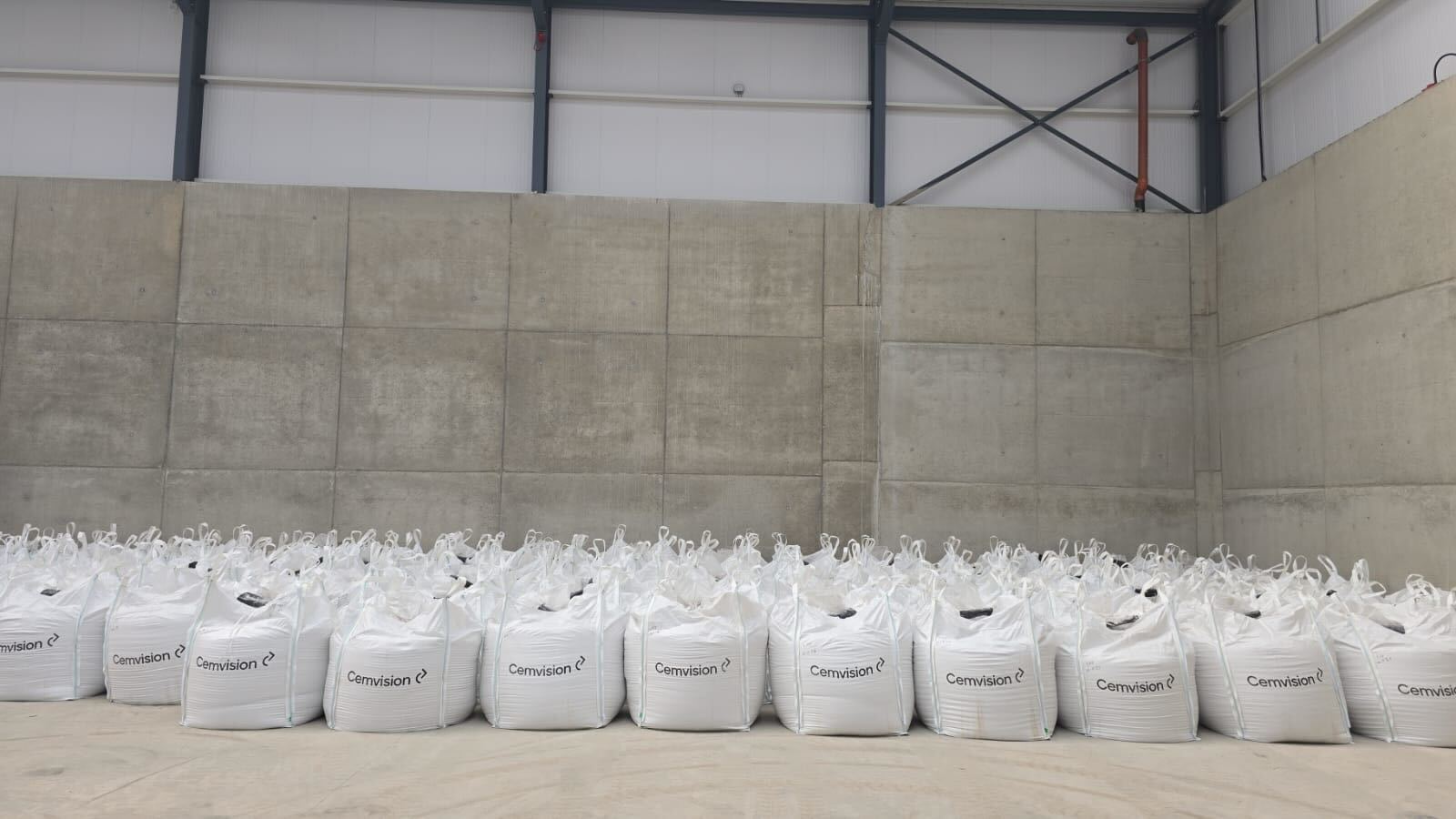
Replaces conventional cement 1:1 and fits seamlessly into existing workflows, using the same equipment, aggregates, and casting methods.
+25
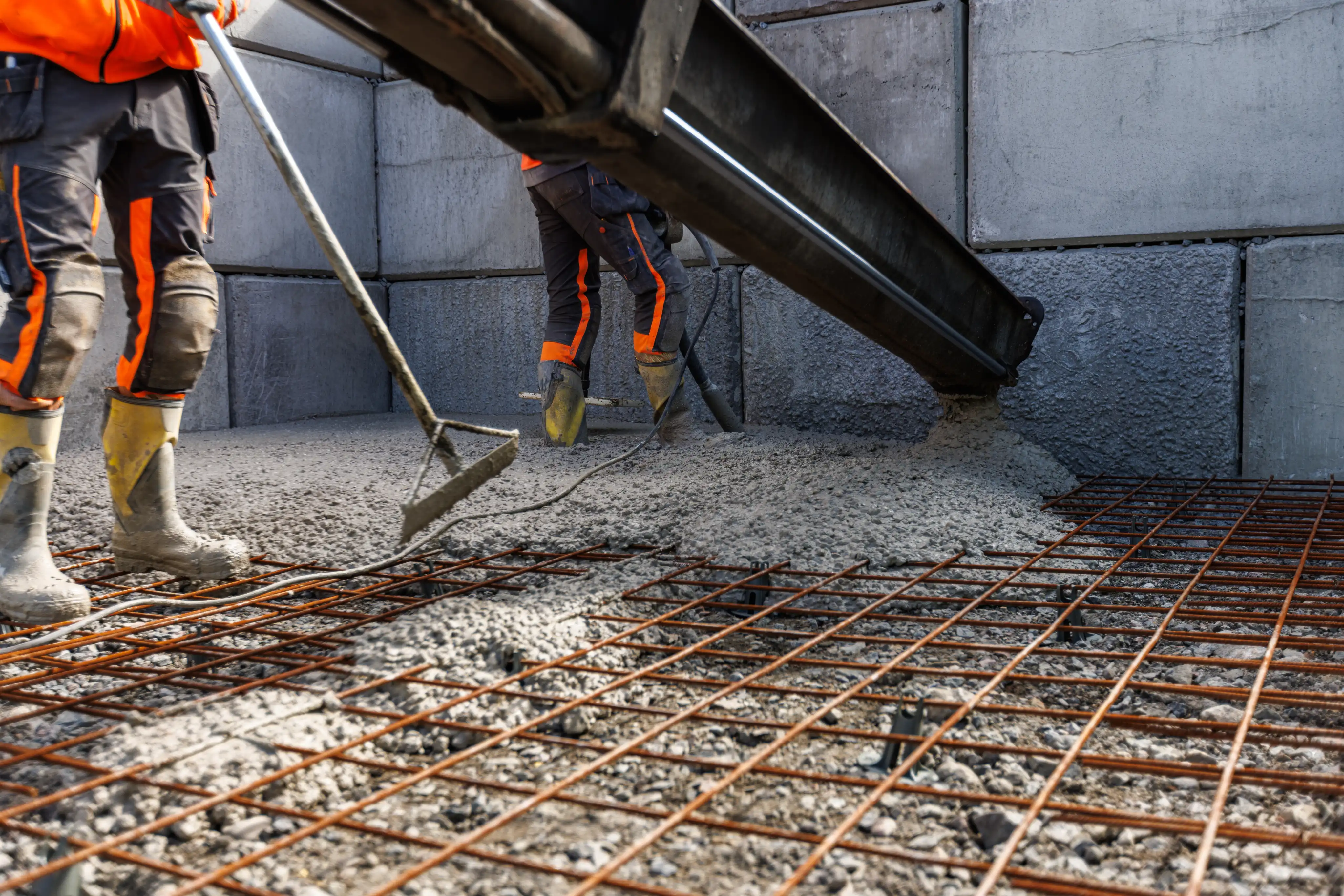
Re-ment Massive is third party-tested and has proven its strength, workability and build quality in over 25 customer trials. Lighter color of the finished concrete is just added bonus.
Get all the details
Our experts at Cemvision are ready to provide tailored demos, smooth onboarding, and detailed answers to your inquiries.
Technical Data Sheet
The technical data sheet for detailed specifications and performance metrics.
Safety Data Sheet
Safety data sheet for comprehensive safety measures and handling guidelines.
Sales and Partnerships
Contact our commercial team to discuss sales and partnership opportunities.
Case studies using binders
Dive into our portfolio of innovative projects and discover how we're making a difference for our partners.



Next generation of cement. Today.
Cemvision is decarbonizing cement with a full-stack approach. We've modernized cement chemistry to use alternative raw materials and are developing rotary kilns using non-fossil fuels like Hydrogen. We bypass virgin limestone, using low-value residual products as feedstock and cement replacement.
%201%20(1).webp)