


We’re
Electric
Leading the way in electrifying
cement clinker production
Leading the way
in electrifying cement clinker production
Making cement has always relied on burning fossil fuels at extremely high temperatures. Until now.
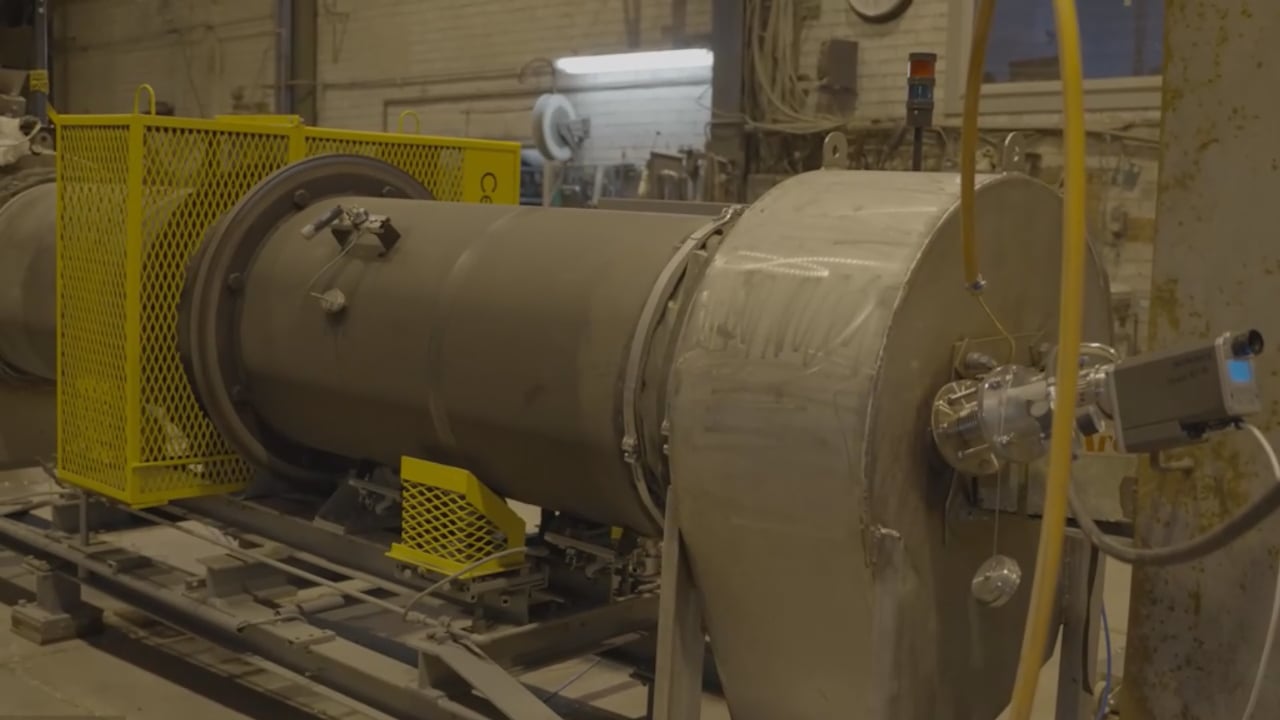
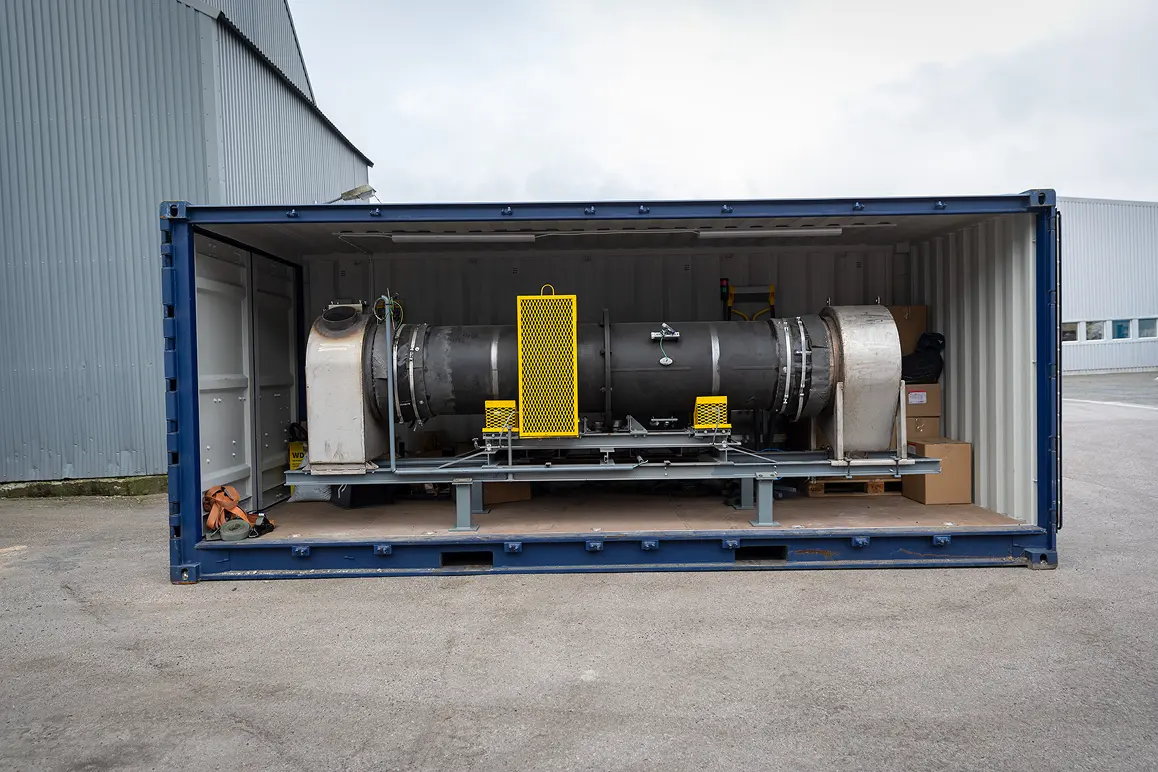
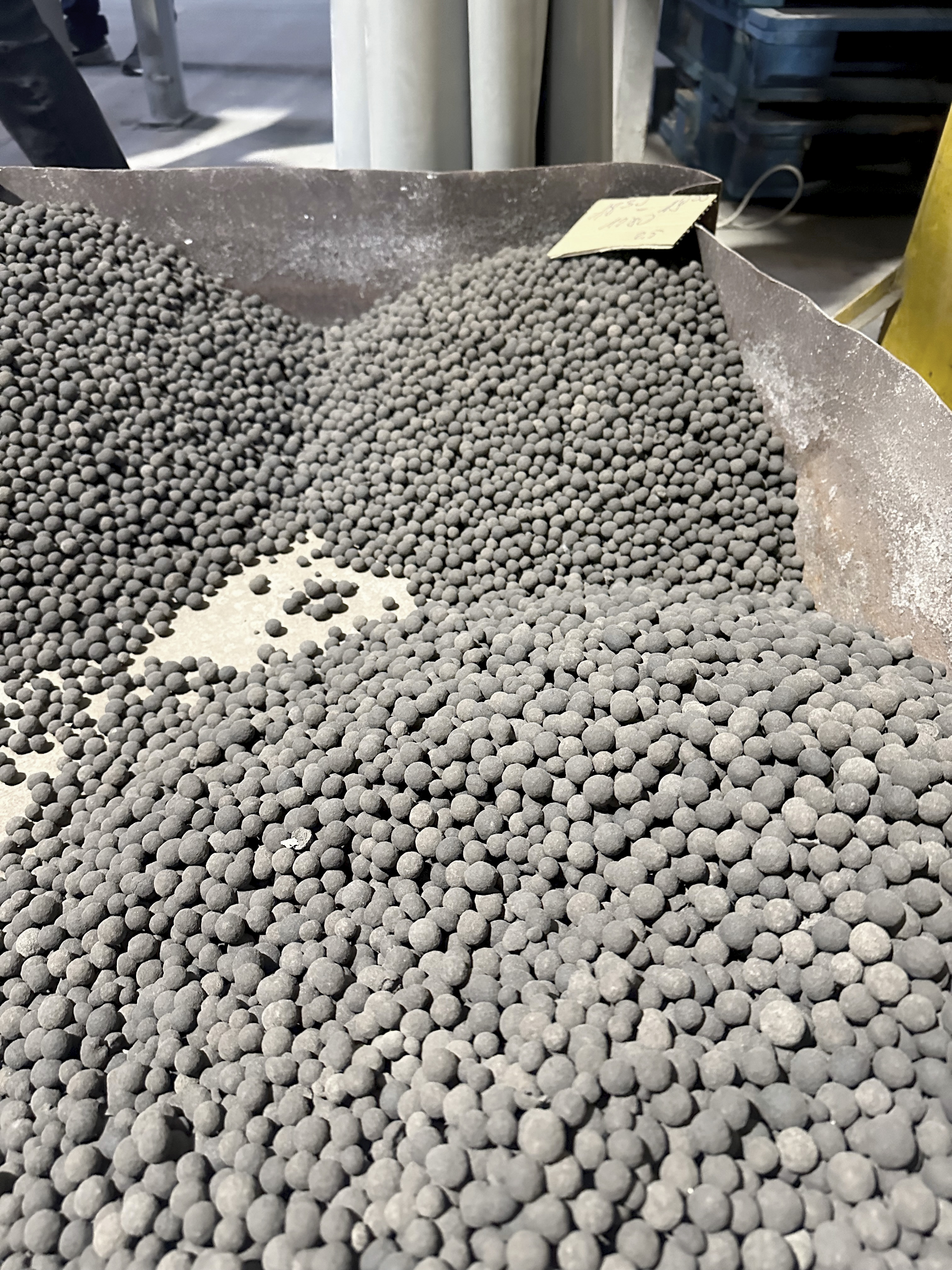
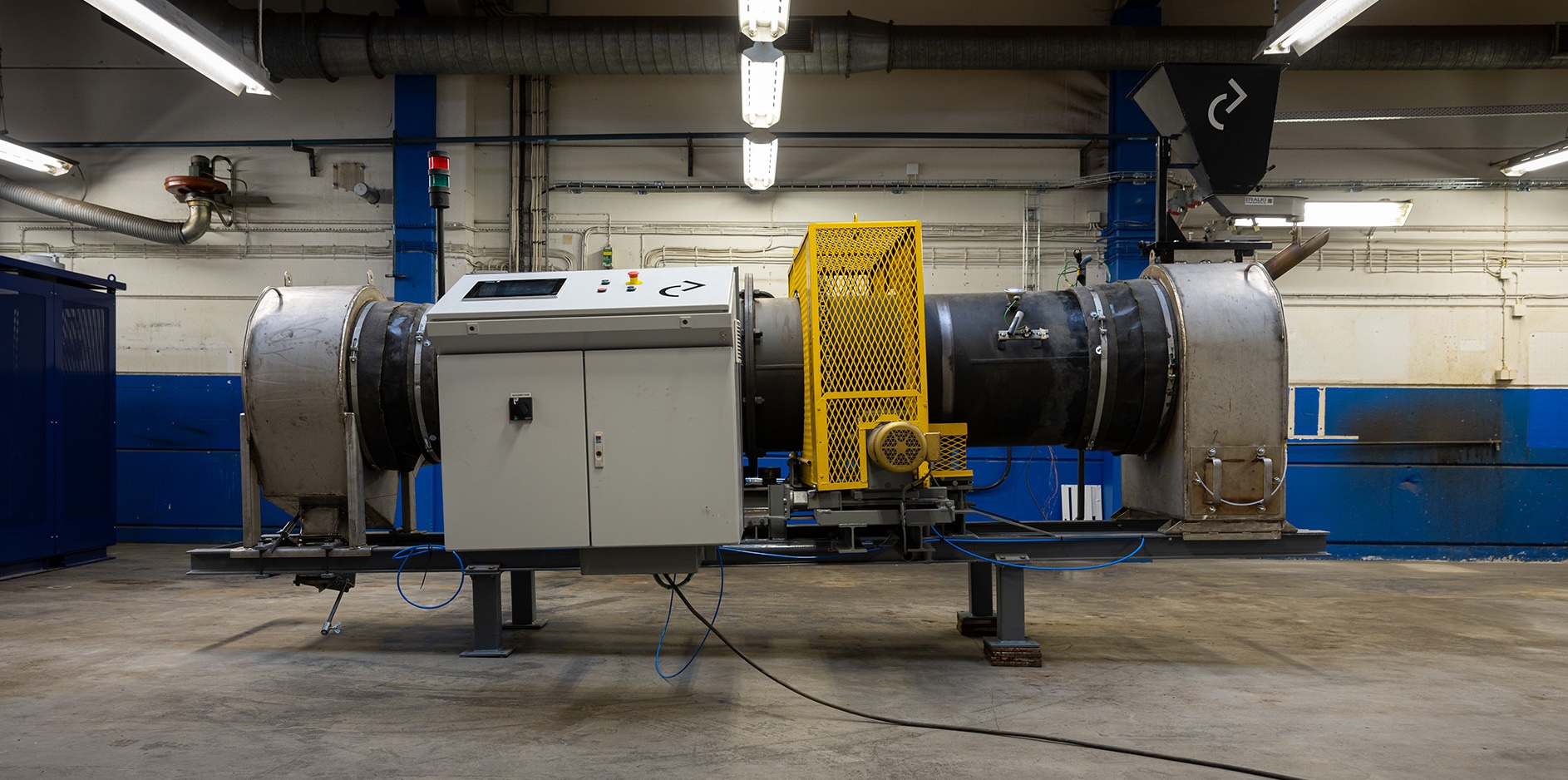
Cemvision has reached an industry-first milestone: the complete electrification of cement production in a rotary kiln, the same type of industrial kiln used for traditional cement. Unlocking fully fossil-free, high-performance cement clinker at scale, not only in a research setting.
100 %
Fully electrified production achieved with clinker quality on par with oil-fired kilns.
1200 °C
Reached in a stable production process in demo-scale trials together with strategic partners.
%201%20(1).webp)
4
Verified technologies used in successful electrified clinker demo trials.
50-75 %
Lower energy need compared to conventional cement production.
Electrification process
Cemvision electrifies clinker production by replacing fossil fuels with clean energy — hydrogen, plasma, resistive heating, biofuels, and more — in a standard rotary kiln. Rather than betting on a single technology, our flexible process combines the best available energy sources for a fully fossil-free production pathway. The result: better energy efficiency, grid balancing support, and high-performance cement with a minimal carbon footprint.
The world doesn't need more cement plants. It needs better ones. Our process retrofits existing infrastructure, converting conventional plants into near-zero cement producers — and giving stranded assets a second life.
Cemvision’s electrification cornerstones:
Our approach is not just climate-friendly; it’s highly pragmatic, resource-efficient, and resilient.
Hydrogen combustion produces only water vapour — a highly effective heat transfer medium that allows Cemvision to reach the temperatures required for clinker production with zero fossil emissions. Hydrogen can be produced when electricity is available and stored to be used when needed.
Plasma heating uses ionised gases driven by an electric arc to generate temperatures up to 20,000°C, making it one of the most powerful fossil-free heat sources available and well-suited to the intense demands of cement manufacturing. Successful trials show that plasma burner can replace the traditional burner as single heat source.
Resistive heating works like an industrial-scale electric element, heating the kiln from the outside in. Cemvision's trials have already demonstrated high clinker quality, paving the way for modular kiln designs and future industrial-scale deployment.
Electric flow heaters warm air through a resistive element, then circulate that heated air directly into the kiln to heat the material by convection. This approach offers precise temperature control and clean, fossil-free operation, perfectly suited to act as a bulk energy source for the process.
Want to know more?
Our experts are ready to provide detailed answers to your inquiries.
Partnerships
Contact our commercial team to discuss partnership opportunities.
Case studies using binders
Dive into our portfolio of innovative projects and discover how we're making a difference for our partners.


Next generation of cement. Today.
Cemvision is decarbonizing cement with a full-stack approach. We've modernized cement chemistry to use alternative raw materials and are developing rotary kilns using non-fossil fuels like Hydrogen. We bypass virgin limestone, using low-value residual products as feedstock and cement replacement.
Binders
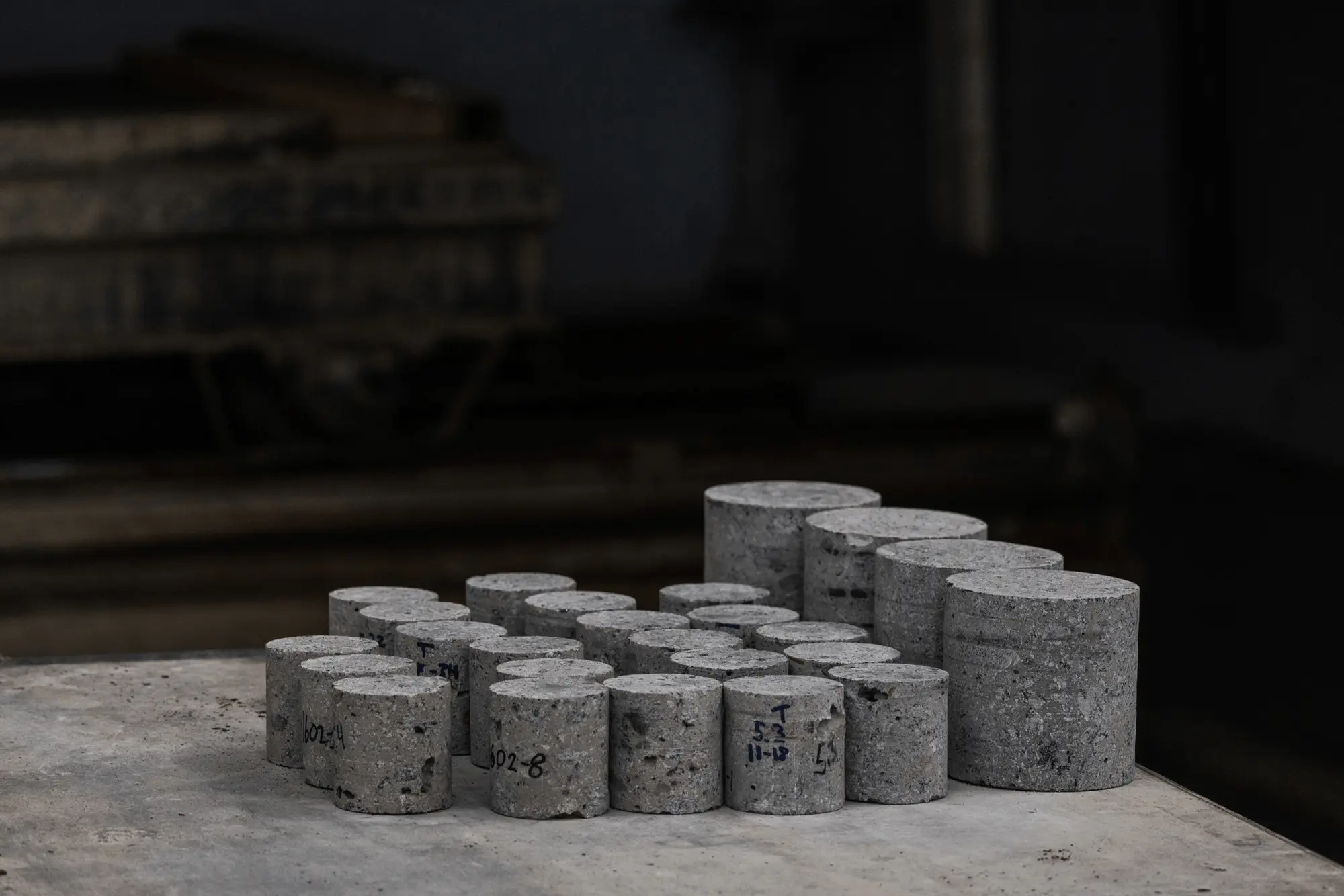
Discover the future of sustainable binders
Our binders redefine strength and sustainability, setting new benchmarks for eco-friendly construction.
Slag Upcycling
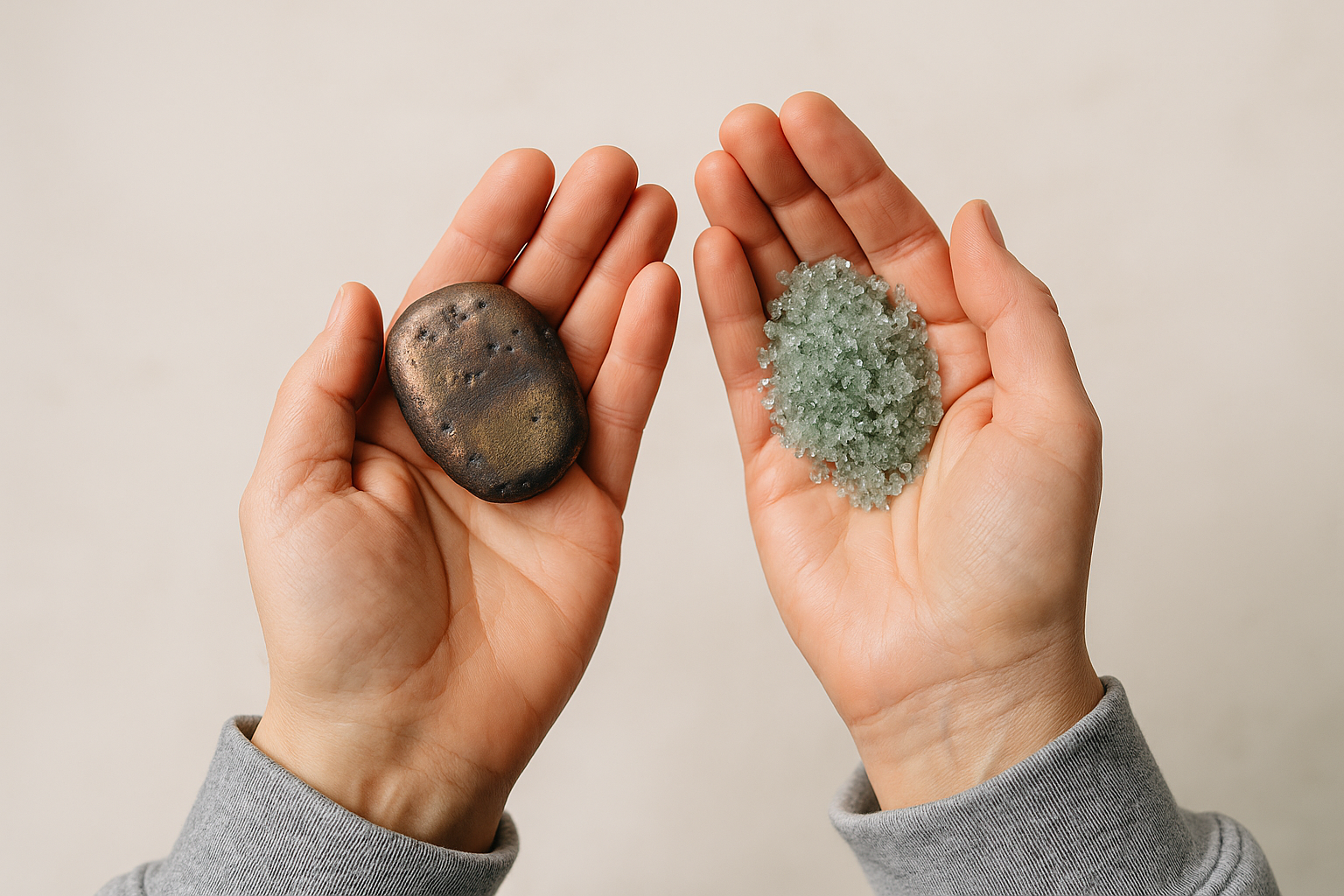
Turning industrial waste into next-generation cement feedstock
Slag valorization transforms byproducts into green construction materials, reducing waste.