Cemvision completes first-ever fully electrified cement production
Taking the cement industry from a CO₂ giant to a zero-carbon future depends on solving its energy challenge—tied to the trillion-dollar cost of industrial energy. Swedish company Cemvision has combined hydrogen, plasma, and resistive heating into a tested, new solution electrifying cement production, creating a fully fossil-free product. The achievement more than halves energy consumption and further increases cost efficiency by balancing energy utilization. This secures a strategic edge for the company in an era of energy challenges.
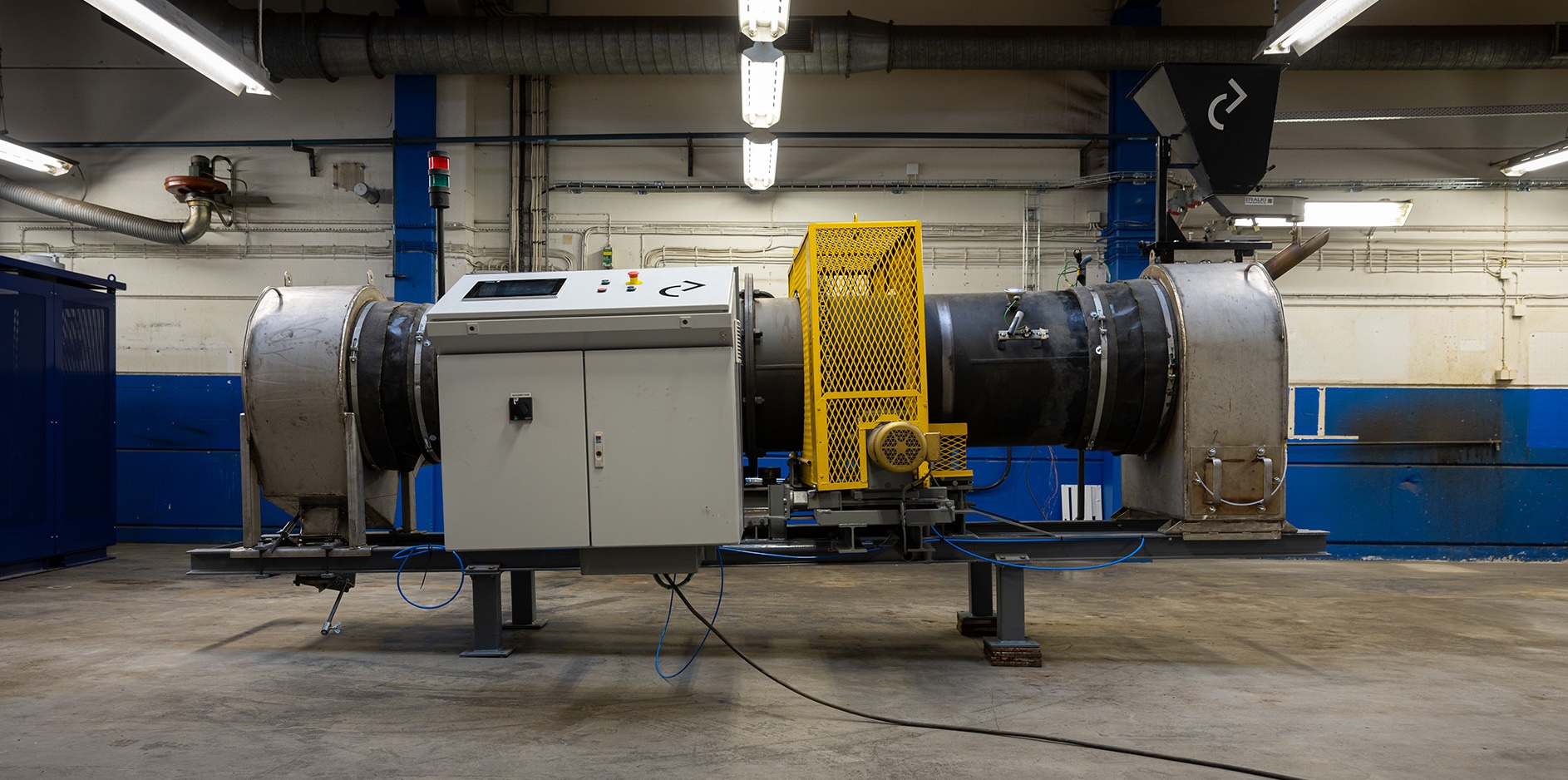
Swedish green cement producer Cemvision has reached an industry-first milestone: the complete electrification of cement production in a rotary kiln, the same type of industrial kiln used for traditional cement. After recently completing three parallel projects, the company can now combine hydrogen, plasma, and resistive heating technologies to electrify in a scalable way. Enabling fully fossil-free, high-performance cement at scale, not only in a research setting.
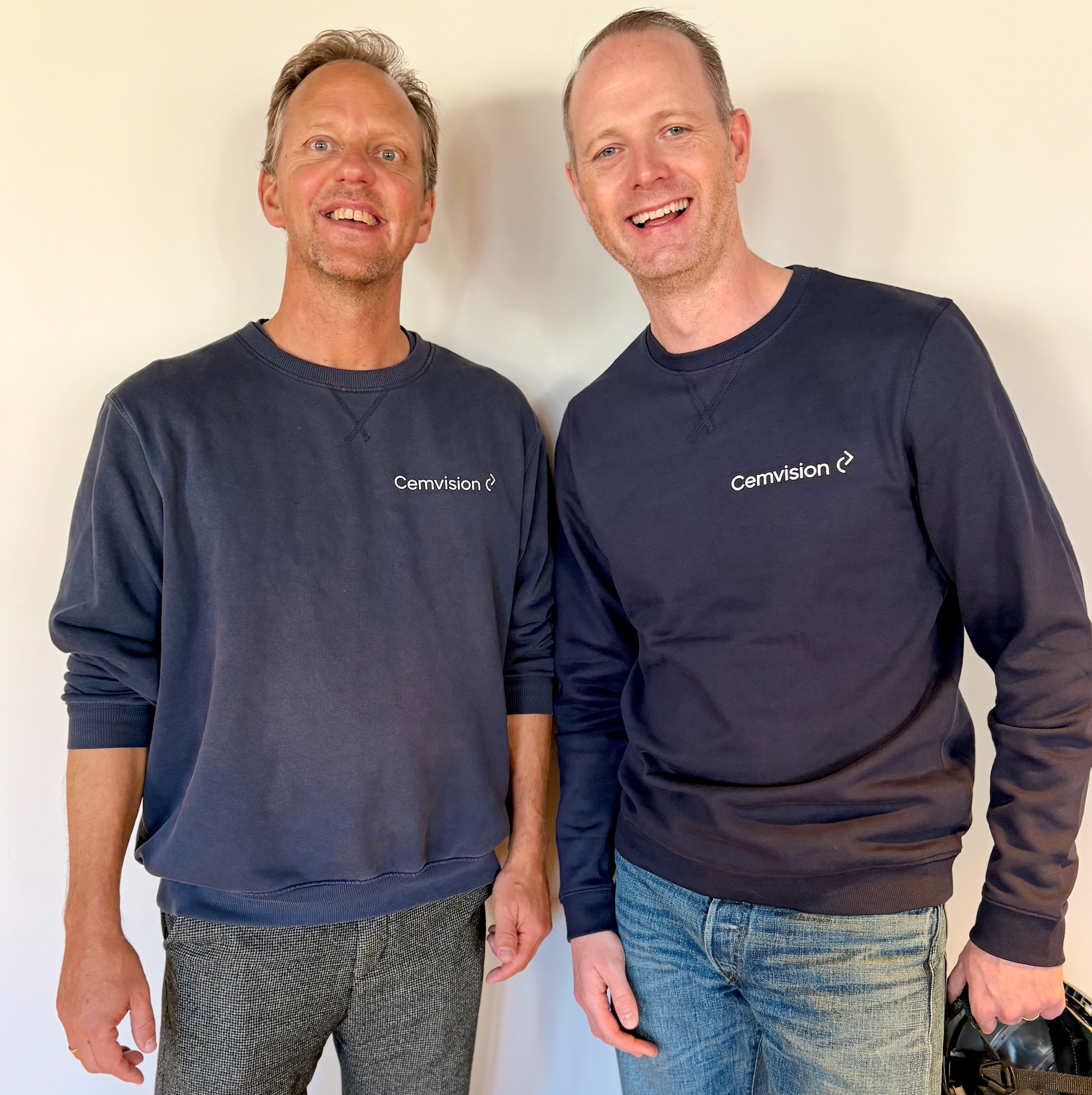
“With a 100% electrically made clinker, we show that industry-leading performance is possible with a minimal carbon footprint. This marks a fundamental shift toward truly sustainable building materials,” says Oscar Hållén, CEO of Cemvision. The parallel trials across these three technologies have proven their viability at a scale never announced in the market before.
The electrification of cement manufacturing eliminates the need for fossil fuels, such as coal or gas. These are traditionally required to achieve the extreme 1,450°C heat needed to turn raw materials into clinker, a key component of cement. This shift must tackle the core issue of replicating extreme heat without relying on fossil fuels. The breakthrough follows a series of focused technology trials, where Cemvision has explored multiple ways to electrify the cement production process, carried out over the year:
Each method offered unique strengths, and going forward, Cemvision believes that a combined approach - using multiple technologies - will deliver the best balance of performance, efficiency, and scalability. The triple approach paves the way for grid balancing, a key economic enabler.
“We prioritise versatility in electrical technologies, believing in a combination of energy utilization and energy storage. Hydrogen, resistive heating, and plasma combined can offer a versatile and feasible zero-carbon pathway across various production sites. Cemvision’s approach is not just climate-friendly; it’s highly pragmatic, resource-efficient, and resilient,” says Claes Kollberg, CTO of Cemvision.
Fact sheet: Cemvision’s electrification cornerstones
Hydrogen
When combusted with oxygen, hydrogen generates water vapour, which has exceptional heat transfer properties, enabling Cemvision to reach the extreme temperatures required for clinker production with remarkable energy efficiency. Cemvision’s process demonstrates how hydrogen can integrate with advanced kiln designs to support scalable solutions for the cement industry. With the water vapour produced during combustion, Cemvision has achieved high thermal efficiency, transferring heat effectively within the kiln, and yielding completely fossil-free products.
Plasma heating
Plasma is called the fourth state of matter after solid, liquid, and gas. The technology leverages ionised gases to generate ultra-high temperatures. Electrical energy is coupled into a working gas via an electric arc. This energy input causes dissociation and ionization in the gas and as a result a plasma is generated. The core of the created plasma plume can reach temperatures up to 20,000°C.
Cemvision has scaled plasma technology to a level previously unseen in cement production, in partnership with ScanArc Plasma Technologies, achieving temperatures exceeding 4,000°C while addressing the associated challenge of NOx emissions occurring at such high temperatures. Unlike competitors reliant on CO₂-based plasma systems, Cemvision’s clinker chemistry and nitrogen approach avoids the need for carbon capture, creating a more streamlined electrified pathway.
Resistive heating
Cemvision’s resistive heating trials have delivered exceptional clinker quality, proving the method’s viability for fossil-free cement production. The approach involves heating the kiln from the outside in, like an industrial-scale electric element. Scaling to industrial lengths—such as a 60-metre kiln—presents engineering challenges due to the delicate nature of the system. Cemvision’s progress here sets the stage for modular applications, new refractory and kiln design and future industrial refinement.

Related posts
Lorem ipsum dolor sit amet, consectetur adipiscing elit.